

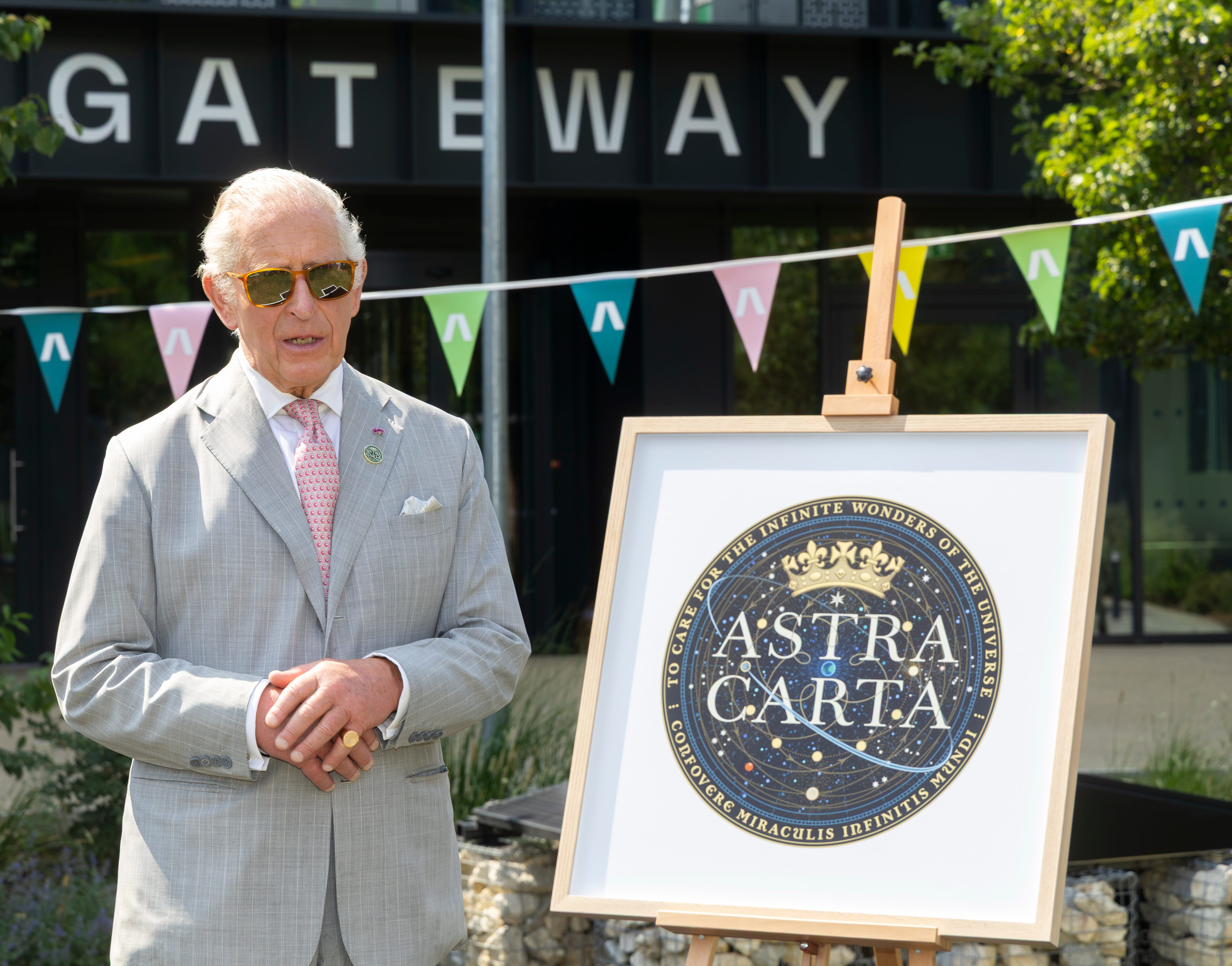
The UK Space and Defence Gateway was opened at Harwell, the country’s leading innovation campus focused on fostering research and collaboration between government, academia and industry, as part of efforts to shore up and accelerate Britain’s industrial edge in space and defence.
The Gateway launched in alignment with the King’s ‘Astra Carta’, a global framework aimed at ensuring the developing sector supports a sustainable future both in space and on earth.
Space Minister, Baroness Liz Lloyd said the opening marked a significant moment for the UK, saying: “His Majesty The King’s visit to Harwell underlines the vital contribution this cluster makes to our economy.
“We are committed to building the national capabilities that deliver better space services and create global export opportunities. I look forward to seeing the Gateway deepen the collaboration that turns world-class talent into real breakthroughs.”
It comes after the Government’s recent Defence Investment Plan (DIP) set aside £3.2 billion for investment into new space-related defence funding up to 2030, with funds split between £2.3 billion set aside for new satellite communications innovation, and an £880 million pledged for space-based and controlled Intelligence, Surveillance and Reconnaissance (ISR) technology.
Air Chief Marshal Sir Harv Smyth, Chief of the Air Staff said: “Across the UK, innovative companies are transforming our understanding of what is possible in space. The Defence Investment Plan’s funding for space enables us to back these companies and help them deliver the technologies that now underpin our prosperity and security.”
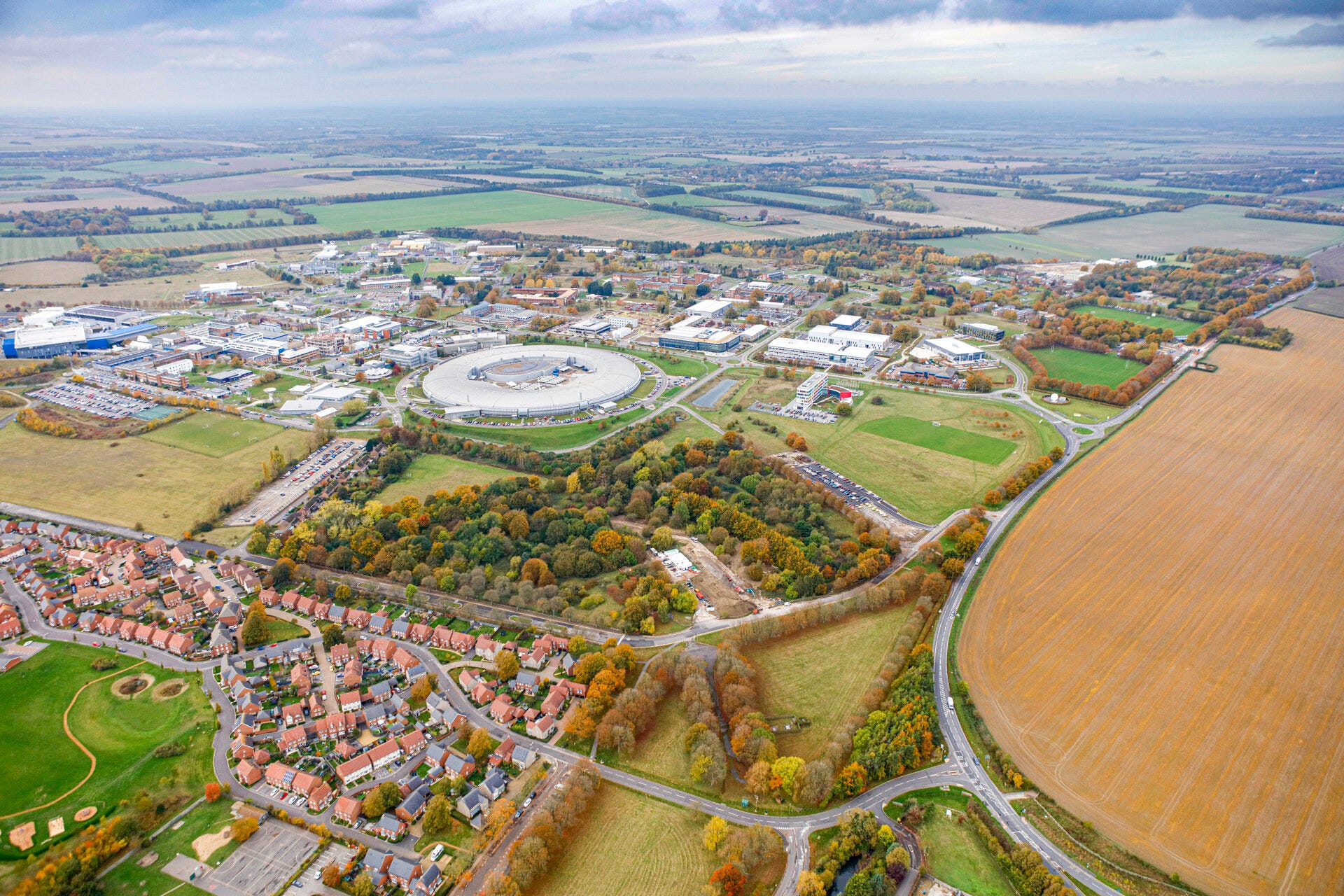
The Harwell Campus is also the home of the Rutherford Appleton Laboratory (RAL) Space facility, the UK’s National Space Laboratory, which has contributed to more than 200 instruments in space including earth observation applications aimed at supporting action on biodiversity loss and climate change.
RAL Space Director Dr Sarah Beardsley said its work on cutting edge satellite research and development will result in innovation that shapes the country’s future.
She said: “The Gateway, driven by the sustainability principles of the Astra Carta, underscores the importance of growing our space economy in a way that protects space and our planet as source of wonder for future generations.”
RAL Space is a cornerstone of the campus’ Defence and Security cluster – one of more than 330 Defence and Security organisations at the site including the European Space Agency, which established a major satellite hub at the site in 2009, and the UK Space Agency.
While the new Space and Defence Gateway was lauded by key industry figures however, the Defence Investment Plan has seen some criticism from sceptical voices since its announcement last month.
Writing in The Conversation, Dr Bleddyn Bowen and Scott Mackie of Durham University said it was unclear how much of the £3.2 billion set aside for space defence investment is ‘new’ funding compared to restated commitments.
They also suggested that the doctrine set out in the DIP ultimately means a reliance on foreign private and governmental space infrastructure controlled by allies to conduct ISR against adversaries.
They said: “The consequence is that British military operations will continue to depend on a ‘central nervous system’ that is not sovereign.”
That places greater weight on UK diplomacy, foreign policy, and contracting mechanisms to ensure continued access to US, European, and transnational commercial space infrastructure.”